

One of the most common things said about Singapore is that we have “no natural resources”. The statement is not untrue, but it may now be outdated.
The real question today is not whether we have natural resources, but how many resources Singapore can create in an age when technology is constantly changing what counts as a resource.
In the past, resources were generally understood to mean land, oil, minerals and forests. The extent of a country’s underground reserves seemed to determine the potential of its development. But in the technological age, the definition of resources keeps expanding. The resources of the future may lie in the sea, in data and in technology — and, above all, in people.
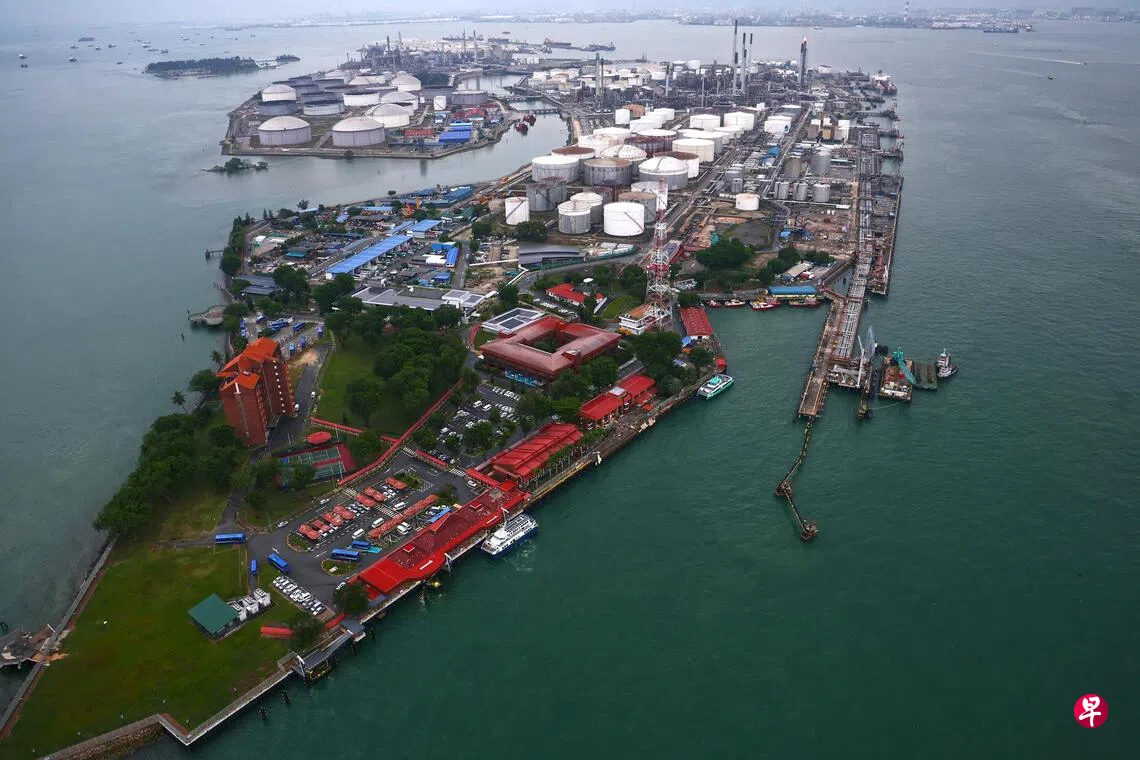
Singapore may have limited land, but it has extensive maritime space and an advantageous maritime location. As marine technology advances, the sea is becoming more than a passage for shipping. It could also become an important space for future energy sources, marine biotechnology, desalination, aquaculture, marine data, subsea infrastructure and the development of new materials.
Singapore is surrounded by the sea and sits at one of the world’s most important shipping and trade hubs. In the past, we saw the sea simply as something that surrounds Singapore. In the future, perhaps we should see the sea itself as a strategic asset.
Of course, having marine resources does not mean we can extract large quantities of oil, natural gas or minerals. What really matters is whether Singapore can use technology, capital, talent and institutions to turn the sea into a source of new industrial value. That is the key.
But people are, in fact, more important than the sea. People themselves are a natural resource, and the most distinctive resource in the world. Oil does not turn itself into an industry; nor do minerals automatically create wealth. People are different. They can discover, define and develop resources, and even create resources that did not previously exist.
Through planning, a plot of land can become an industrial park, a financial centre or a residential district. A set of data can be turned into artificial intelligence (AI), an idea into a business, a technology into an industry. A system of institutions can attract capital, talent and businesses from around the world.
In other words, people can do more than use resources: they can create them. This is also what makes Singapore’s development over the past few decades such a remarkable case.
Though our city-state does not possess either large oil reserves or abundant minerals and has limited land and a small population, it has nevertheless become an international hub for finance, shipping, aviation, trade, manufacturing, biomedical sciences and technology. What Singapore truly possesses is talent, institutions, credibility, capital, infrastructure, education and the ability to connect with the world.
This brings me to a more important question: are a country’s real resources what it possesses, or what it creates?
If resources are defined solely as natural deposits underground, Singapore is certainly resource-poor. But if they encompass talent, knowledge, technology, capital, institutions, networks, geographical location and the ability to recombine these elements, Singapore may not be “resource-poor” at all. On the contrary, it may be exceptionally good at transforming resources.
Today, AI, robotics, biotechnology, marine technology, new energy and advanced manufacturing are redefining the factors of production. In the future, the most valuable countries may be those best able to combine limited resources efficiently, amplify their value and turn them into new resources. This is what Singapore should be thinking about as it considers its next stage of development.
We cannot forever use a “lack of natural resources” to explain our limitations, much less allow that phrase to frame our thinking about national development. Once we see ourselves as having “no resources”, our thinking can easily become confined to conserving them. But if we believe that “resources can be created”, our focus shifts to discovering, connecting, enhancing and creating resources.
What is truly scarce has never been resources alone, but the vision to identify them, the ability to create them and the systems to turn them into value.
Singapore’s greatest resources lie in its people, the sea, technology, capital and institutions. Above all, they lie in whether the country can continue to use human ingenuity, technology and global connections to turn seemingly limited assets into limitless possibilities.
So rather than saying again that Singapore has “no natural resources”, we could put it differently: Singapore is not a resource-rich country, but a country capable of making its resources abundant. That may be Singapore’s greatest resource for the future.
(The writer is chief strategy officer at a consulting and investment firm.)